
AI and the Future of Military Decision-Making
Artificial intelligence (AI) is emerging as a significant force in modern defence, changing how military organisations process information, assess threats and make operational decisions. As defence environments become increasingly complex, the ability to analyse large volumes of data quickly is becoming essential for effective situational awareness and mission planning.
For India, AI in defence presents opportunities to strengthen indigenous technological capabilities, improve operational efficiency and support the development of next-generation military systems.
How AI Is Transforming Military Intelligence
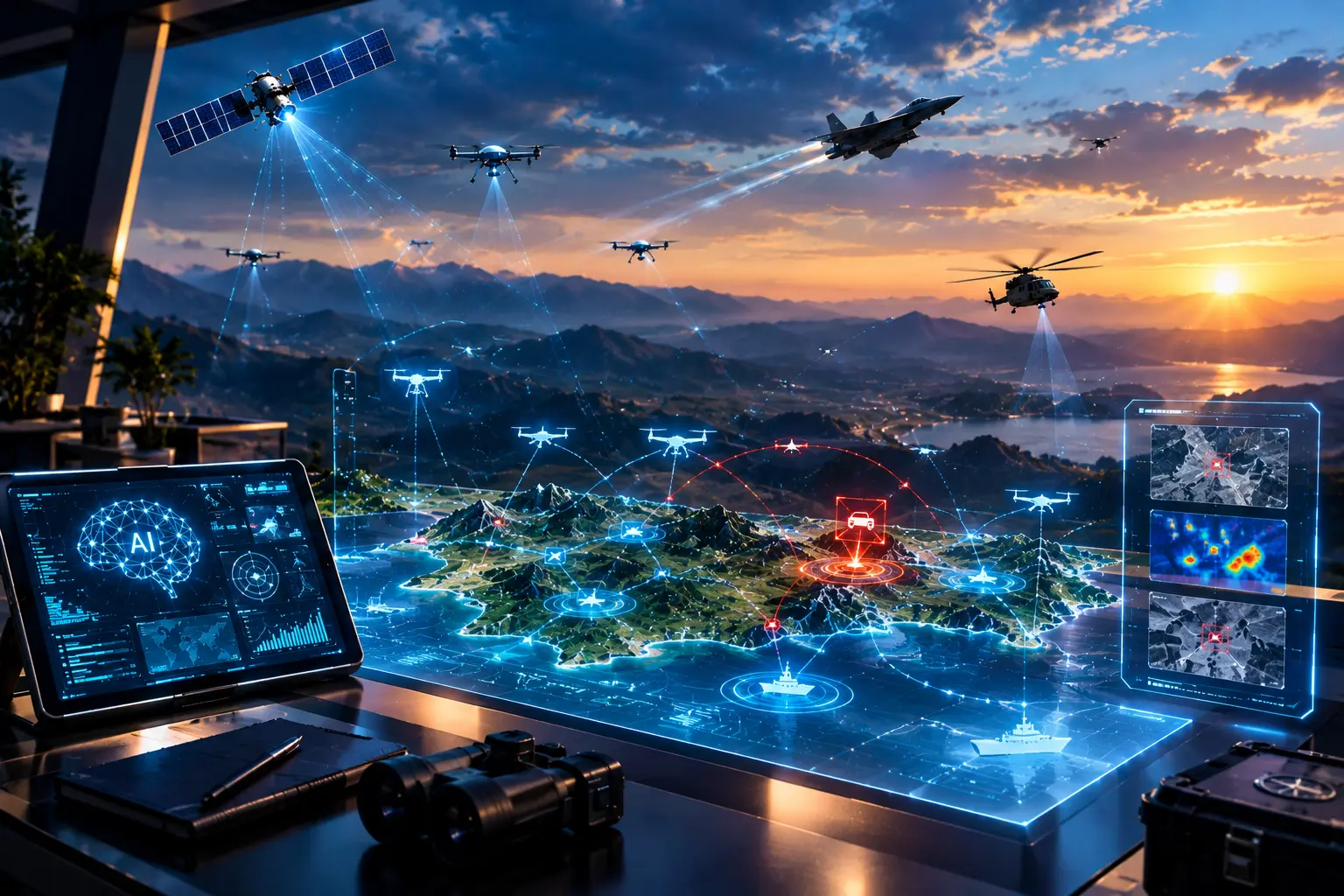
Modern defence operations generate information from radar systems, satellites, unmanned aerial vehicles, surveillance networks and other sensors. Analysing this information manually can be time-consuming, particularly when multiple sources must be considered simultaneously.
AI-powered analytics can help identify patterns, classify potential threats and highlight relevant information for military personnel. When integrated with reliable sensor networks, these capabilities can support faster situational assessment and more informed decision-making.
Predictive Analytics and Real-Time Decision Support
Machine learning models can analyse historical and real-time data to identify emerging patterns and potential risks. These insights may support predictive maintenance, resource planning, logistics management and threat assessment.
However, reliable military AI requires high-quality data, secure computing infrastructure and rigorous testing. Human oversight, accountability and clear decision-making authority remain essential, especially in safety-critical applications.
Opportunities for India's Defence Technology Ecosystem
The development of indigenous AI capabilities creates opportunities for Indian defence startups, MSMEs, research institutions and established manufacturers. Areas such as edge computing, computer vision, secure communications, intelligent surveillance and sensor fusion offer scope for specialised innovation.
Collaboration between technology developers and defence stakeholders can help translate promising research into solutions that meet practical operational requirements. Testing, validation, cybersecurity and integration with existing platforms are critical steps in this process.
BDTS 2027: Advancing Defence Innovation
Bharat Defence Tech Show (BDTS) 2027 provides a platform for engagement across India's defence technology ecosystem. Discussions around artificial intelligence, military intelligence and next-generation defence systems can help connect emerging innovators with industry stakeholders and potential collaborators.
As AI continues to evolve, India's progress will depend on developing trustworthy systems, strengthening domestic capabilities and converting research into dependable technologies.
Conclusion
AI will play an increasingly important role in supporting military decision-making, but its effectiveness will depend on responsible implementation, human judgement and robust technological foundations. Building these capabilities is an important part of India's future defence innovation journey.
Event Details at a Glance
Event: Bharat Defence Tech Show 2027
Sector: Defence, Aerospace & Strategic Technologies
🌐 Website: www.bharatdefencetechshow.com