

Autonomy Without Control Is a Liability
The value of an autonomous system depends entirely on how well humans can direct, trust and, when necessary, override it. An intelligent machine that operators cannot understand or control is not an asset but a liability. Human-machine teaming is the discipline of designing that relationship — the interfaces, the transparency and the trust that let people and autonomous systems work as a genuine team rather than as an operator wrestling with a black box.
Design Principles That Matter
- Interfaces that explain why an AI reached a decision, not just what it decided.
- Clear hand-off points between human and machine control, with no ambiguity about who is in charge.
- Graceful degradation, so the system behaves predictably when it reaches the limits of its competence.
- Appropriate trust — enough that operators use the system, but not so much that they stop supervising it.
Why It Is Central, Not Optional
As autonomous systems grow more capable, teaming becomes more important, not less. The more a system can do on its own, the more critical it is that humans understand its reasoning and can intervene. This is as much a human-factors and design challenge as a technical one, drawing on psychology, interface design and systems engineering alongside AI.
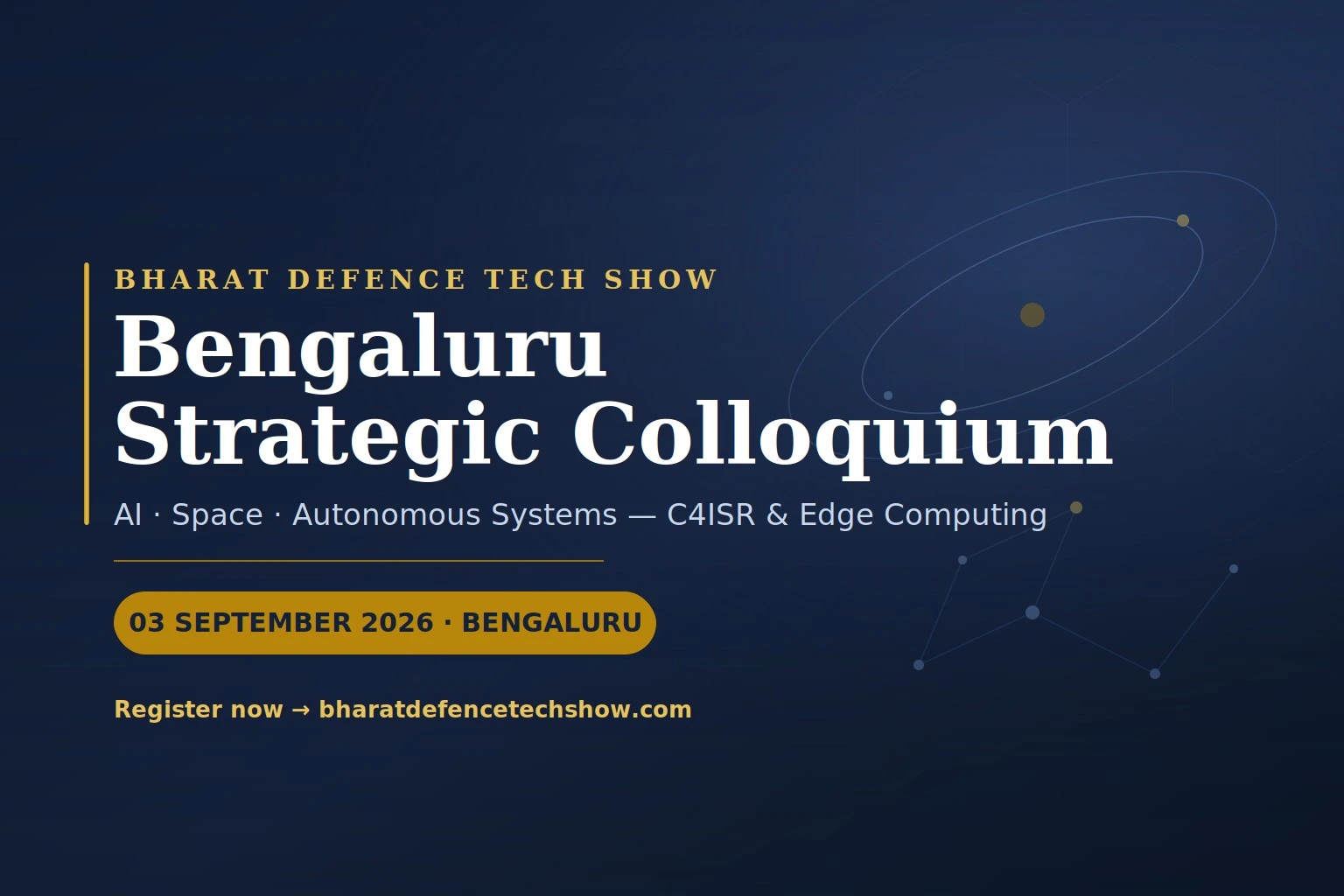
This human-centred view of autonomy runs throughout the BDTS Bengaluru Strategic Colloquium, relevant to anyone building AI-driven defence systems. Getting teaming right is what allows powerful autonomy to be deployed responsibly — and the event brings together the innovators and stakeholders working to achieve exactly that.
Event Details at a Glance
Event: Bharat Defence Tech Show – Bengaluru Strategic Colloquium
Date: 03 September 2026
Venue: Bengaluru, Karnataka
Theme: AI, Space & Autonomous Systems: C4ISR and Edge Computing
🌐 Website:
www.bharatdefencetechshow.com
📌 Register:
Bengaluru Strategic Colloquium Passes