
The speed advantage
In modern operations, the time between detecting a threat and responding to it can decide outcomes. Human operators, however skilled, cannot continuously monitor dozens of sensor feeds without fatigue or error. AI-based threat detection uses computer vision and sensor fusion to automate identification, giving operators precious extra seconds and catching what tired eyes might miss. It does not replace human judgement; it sharpens it, surfacing what matters so people can decide faster and better.
Core capabilities
- Automated object and anomaly detection across visual, radar and other sensor feeds.
- Fusion of multiple data sources to confirm and classify potential threats reliably.
- Continuous learning that adapts to new tactics and evolving threats.
- Prioritisation that flags the most urgent threats first rather than flooding operators with alerts.
The challenge of trust
The hard part is not just detecting threats but doing so reliably enough that operators trust the system. A detector that raises too many false alarms gets ignored; one that misses real threats is dangerous. Building models that are accurate, robust to deception, and honest about their uncertainty is what separates a demonstration from a deployable capability.
Automated threat detection is the first of the twelve core problem statements at the Bengaluru Strategic Colloquium, making it a clear and immediate entry point for AI and computer-vision teams. For anyone building perception systems, the event connects that work directly to the defence requirements and stakeholders that give it purpose.
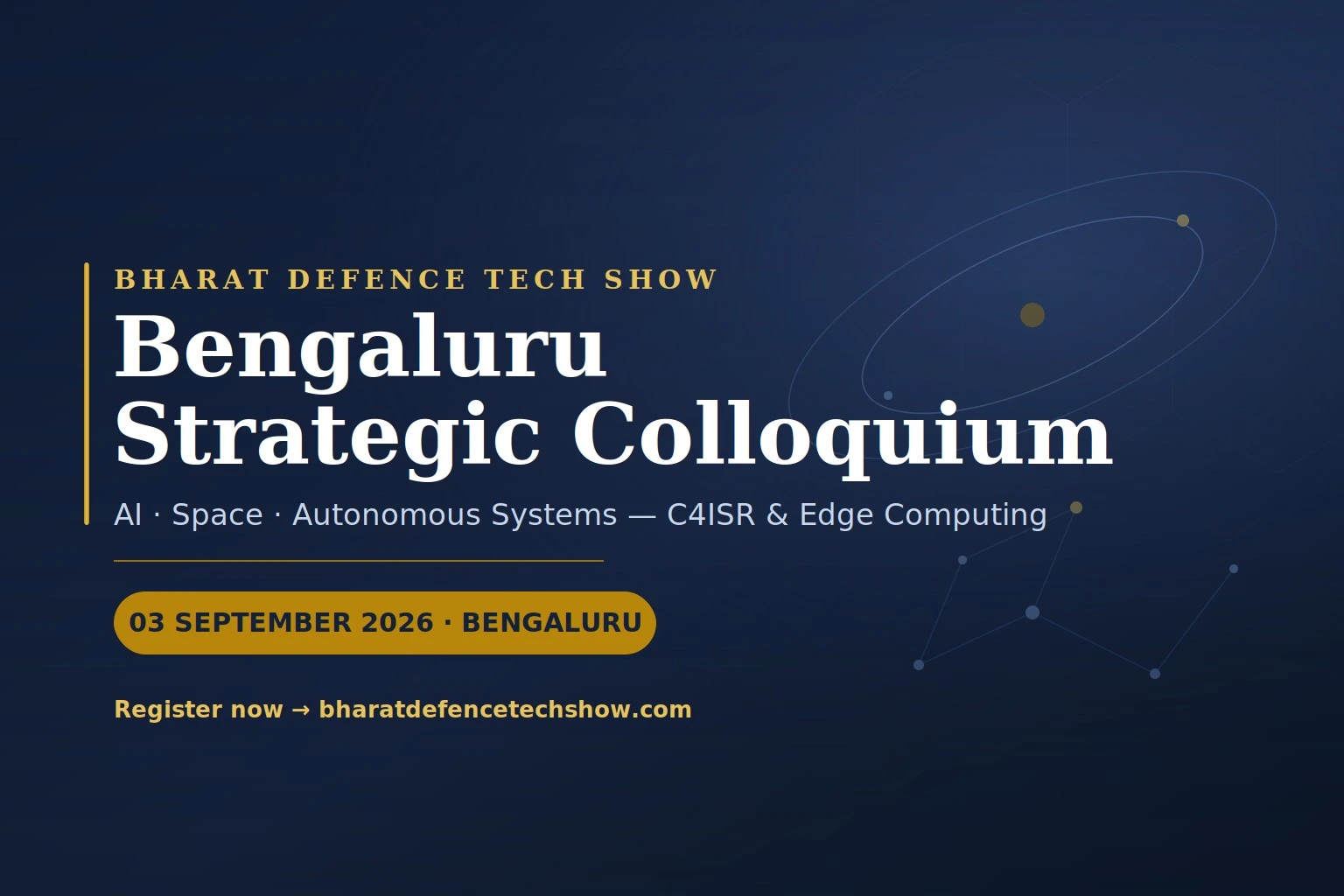
Register for the Bengaluru Strategic Colloquium (03 September 2026) at bharatdefencetechshow.com/colloquium-passes-bengaluru
Event Details at a Glance
Event: Bharat Defence Tech Show – Bengaluru Strategic Colloquium
Date: 03 September 2026
Venue: Bengaluru, Karnataka
Theme: AI, Space & Autonomous Systems: C4ISR and Edge Computing
🌐 Website:
www.bharatdefencetechshow.com
📌 Register:
Bengaluru Strategic Colloquium Passes