

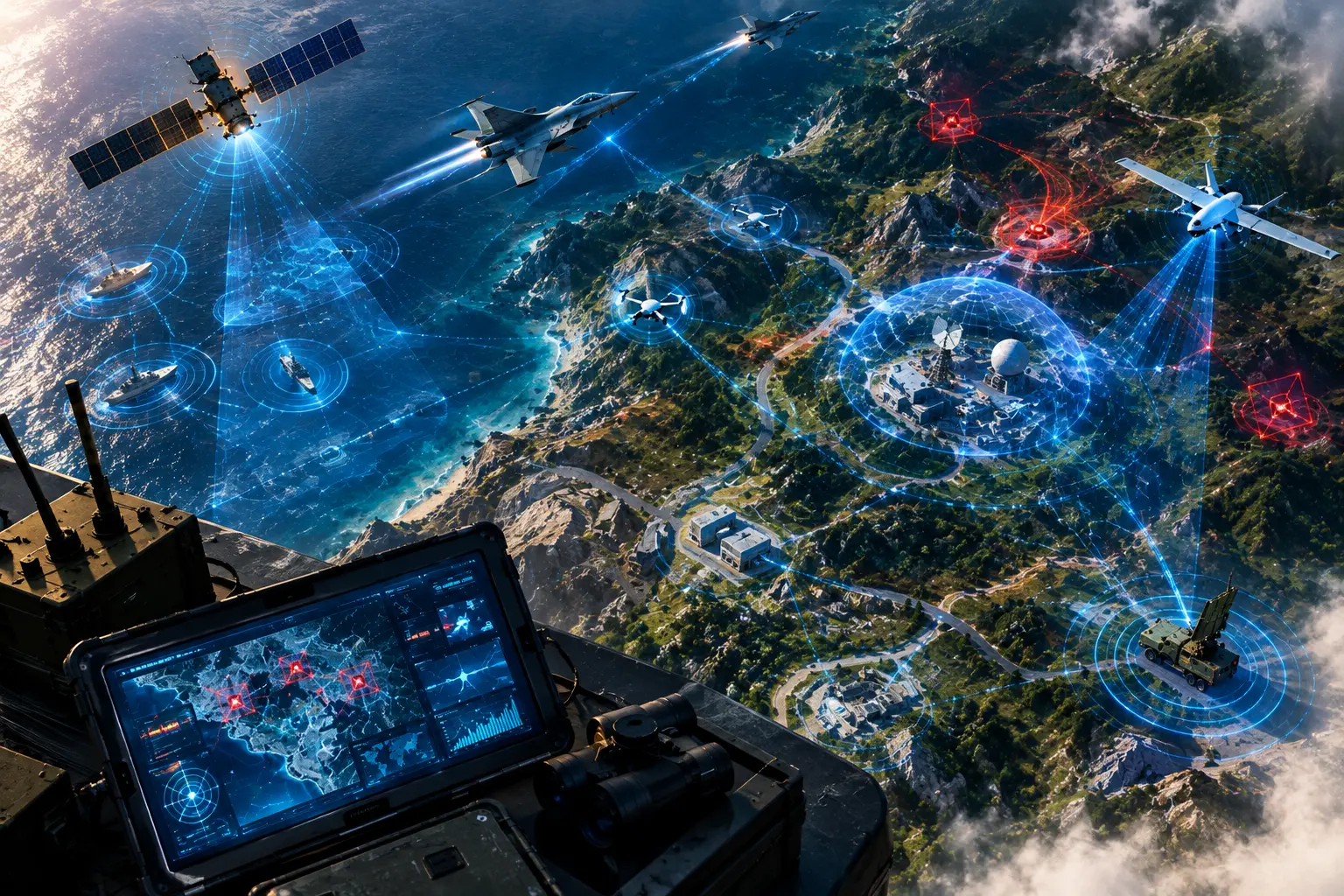
Electronic Warfare and the Battle for the Electromagnetic Spectrum
Modern defence operations depend not only on physical platforms and weapons but also on the ability to communicate, detect threats and operate effectively in the electromagnetic spectrum. As military systems become increasingly connected, electronic warfare (EW) is gaining importance in India's evolving defence technology ecosystem.
Electronic warfare involves the use of electromagnetic energy to understand, protect and influence the operation of electronic systems. It supports situational awareness, communications resilience and the protection of critical defence capabilities in complex operational environments.
Understanding the Three Pillars of Electronic Warfare
Electronic warfare is commonly divided into three broad areas: electronic support, electronic protection and electronic attack.
Electronic support helps identify and analyse electromagnetic emissions to improve awareness of the surrounding environment. Electronic protection focuses on maintaining the effectiveness of friendly systems despite interference. Electronic attack involves using electromagnetic energy to disrupt or deceive opposing electronic capabilities.
Together, these functions contribute to a more resilient and informed defence environment.
Emerging Technologies Transforming Electronic Warfare
Advances in artificial intelligence, software-defined radio, advanced antennas and digital signal processing are creating new possibilities for electronic warfare systems. AI-assisted analysis can help process complex signal data, while adaptive technologies can support systems operating in changing electromagnetic conditions.
Cybersecurity and secure communications are also closely connected to this field. As defence platforms exchange more data, protecting electronic systems against interference, disruption and unauthorised access becomes increasingly important.
Opportunities for India's Defence Industry
Developing indigenous electronic warfare capabilities creates opportunities for Indian defence startups, MSMEs, research institutions and established manufacturers. Areas such as RF components, signal-processing software, advanced sensors, specialised electronics and secure communication technologies can support domestic innovation.
Collaboration between researchers, technology developers and defence manufacturers is essential to move promising concepts towards testing, integration and reliable production.
BDTS 2027: Connecting Innovation with Defence Needs
Bharat Defence Tech Show (BDTS) 2027 offers a platform for discussions around emerging defence technologies and industry collaboration. Electronic warfare is one of the strategic technology areas where partnerships between innovators, manufacturers and defence stakeholders can help strengthen India's technological capabilities.
Conclusion
The future of electronic warfare will depend on adaptability, resilient systems and continuous technological development. Strengthening indigenous expertise in signal processing, electronic protection and advanced defence electronics can contribute to India's broader defence innovation goals.
Event Details at a Glance
Event: Bharat Defence Tech Show 2027
Sector: Defence, Aerospace & Strategic Technologies
🌐 Website: www.bharatdefencetechshow.com